


ChatGPT Shopping for Businesses: Opportunities, Impact, and Use Cases

The way people search, compare, and buy products online is changing faster than ever. Customers no longer want to scroll endlessly through search results, filters, and category pages. They want quick, relevant answers that match their exact needs. This shift is giving rise to conversation-driven shopping experiences, with ChatGPT Shopping playing a central role in this transformation.
For businesses, ChatGPT Shopping is more than a technology upgrade. It represents a fundamental change in how customers make buying decisions and how brands must position themselves to remain visible, trusted, and competitive in the digital marketplace.
Understanding ChatGPT Shopping
ChatGPT Shopping allows users to discover products by asking questions in natural, conversational language. Instead of browsing hundreds of listings, customers can clearly describe what they are looking for.
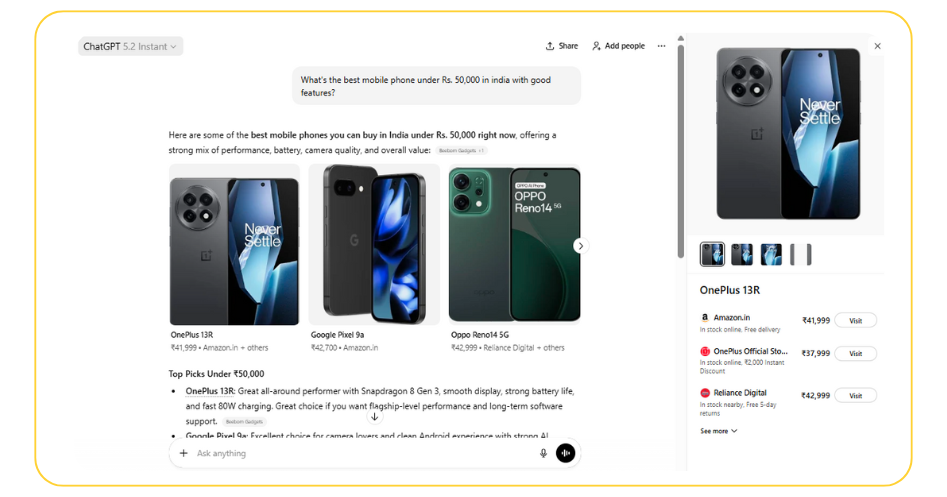
The AI interprets intent, preferences, budget, and usage context, then suggests suitable products.
This experience feels more like speaking with a knowledgeable assistant than navigating a traditional e-commerce website. As a result, product discovery becomes faster, comparisons are more precise, and the journey from interest to purchase is significantly smoother.
Why ChatGPT Shopping Is Important for Businesses
A Shift from Search to Conversation

Traditional e-commerce depends heavily on keyword-based searches. Customers must know what to type and how to narrow results on their own. ChatGPT Shopping replaces this approach with intent-based conversations. Buyers can explain their problem or requirement in their own words, and the AI handles discovery.
For businesses, this means success depends less on keyword density and more on how clearly product information answers real customer needs.
Faster Decision Making
ChatGPT Shopping shortens the buying cycle. Instead of overwhelming users with endless options, it delivers curated recommendations that closely match the query. This reduces decision fatigue and increases buyer confidence.
This advantage is significant for businesses selling everyday products, gifts, electronics, fashion, home essentials, and utility items where convenience influences purchase behaviour.
A More Personalized Buying Experience
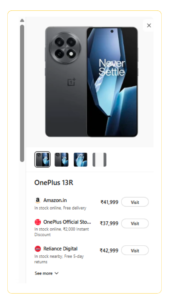
AI-driven shopping adapts in real time. Recommendations vary based on preferences, budget constraints, intended use, and follow-up questions. This level of personalization helps businesses build stronger connections with customers than static product pages ever could.
To make the most of conversational shopping, businesses must also focus on retention, not just discovery. Applying these proven strategies to keep website visitors coming back helps turn first-time AI-driven visits into long-term customers.
Business Opportunities Created by ChatGPT Shopping
Higher Conversion Potential
When customers receive precise and relevant recommendations, they are more likely to complete a purchase. ChatGPT Shopping shifts the focus from browsing products to solving problems, which naturally improves conversion rates.
Equal Visibility for Smaller and Niche Brands
ChatGPT Shopping does not automatically prioritize only large or established brands. Products that clearly communicate benefits, use cases, and value can appear in recommendations even if the brand is new or niche.
This creates a fair opportunity for specialized businesses to compete based on relevance rather than size.
Deeper Customer Understanding
Conversational queries reveal how customers think and what they care about. Businesses can learn what questions are commonly asked, what confuses, and what factors influence decisions. These insights can be used to improve product descriptions, refine content strategy, and guide future product development.
Practical Use Cases of ChatGPT Shopping
E-commerce Brands
Online sellers benefit by optimizing product catalogues for conversational discovery. This involves writing descriptions that answer real buyer questions rather than simply listing features.
Example
Instead of a generic description, a kitchen appliance brand explains who the product is designed for, what problems it solves, and why it works well for small kitchens or beginner cooks. This helps the AI recommend the product accurately during relevant conversations.
Local and Specialized Businesses
Local retailers and niche businesses can appear in AI-driven shopping conversations when users ask for specific or location-based recommendations. Precise details about specialization, usage scenarios, and service areas help these businesses surface organically.
B2B and Industrial Products
ChatGPT Shopping also applies to B2B purchasing. Buyers researching tools, machinery, software, or professional equipment often ask detailed questions before making decisions. Businesses that clearly explain specifications, applications, and ideal use cases are more likely to appear in high-intent conversations.
Digital Marketing and Content Strategy
Blogs, product guides, and FAQs written in conversational language support visibility in AI-driven shopping responses. Content that explains comparisons, buying considerations, and problem-solution narratives strengthens authority while supporting modern SEO practices.
Challenges Businesses Should Address Early
Content Quality Becomes Critical
Generic or incomplete product descriptions struggle in conversational shopping environments. Businesses must ensure accuracy, clarity, and completeness across all product information.
Rethinking Performance Measurement
As conversational shopping grows, brands may need to look beyond traditional metrics such as page views and clicks. Visibility within AI-driven recommendations and assisted buying journeys will become increasingly important indicators of success.
As visibility shifts toward AI-driven recommendations, improving how often users choose your brand becomes critical. Learning how to optimize CTR in digital marketing ensures your products stand out when customers compare options.
The Future of ChatGPT Shopping
ChatGPT Shopping points toward a future where buying decisions are guided by conversation rather than navigation. Customers expect guidance, relevance, and clarity instead of endless options.
Businesses that adapt early by improving content quality, focusing on customer intent, and embracing conversational commerce will be better positioned to compete. This shift rewards brands that are helpful, transparent, and customer-focused. As AI becomes a daily shopping assistant, businesses that understand the language of intent will stay ahead in the evolving digital landscape.